
Summarize With AI


Church pews carry more than congregants. They carry history, tradition, and the physical rhythm of weekly worship. Over time, however, even the most well-built seating shows signs of wear. Faded finishes, splintering wood, outdated layouts, or accessibility challenges can prompt an important question. Is it better to refinish church pews or replace church pews entirely?
This question can frustrate church leaders, worshippers, and other members of religious communities alike. By understanding condition, cost, comfort, and modern worship needs, it becomes easier to choose a path that respects tradition while supporting future growth.
When Refinishing Church Pews Makes Sense
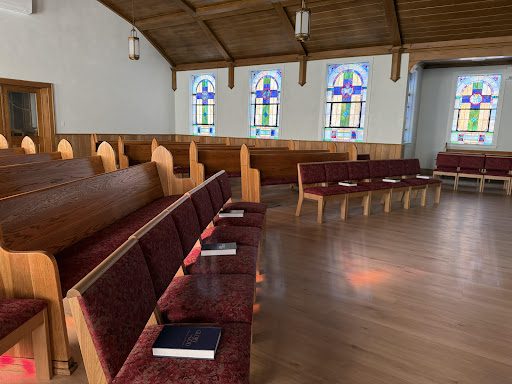
Refinishing is often the first option considered, especially when pews are structurally sound. Solid wood pews or benches, free of veneers or particleboard, are excellent candidates for restoration.
Refinishing church pews can address surface-level issues such as worn stain, scratches, faded finishes, and minor dents. Reupholstery can refresh padded church pews with modern, durable materials, such as polyester blend fabric and upgraded high-density foam, to improve comfort.
From a budget standpoint, restoring solid wood church pews can be more cost-effective than full replacement, provided the existing pews have only limited damage. For congregations preserving colonial or traditional pew designs in their architectural woodwork, restoration allows history to stay visible while improving the appearance.
Pew maintenance services can also extend the life of refinished seating. Routine care, touch-ups, and minor repairs help delay future replacement and protect long-term investment.
What Are Some Signs It Is Time to Replace Church Pews?
Replacing church pews is not about abandoning tradition. In many worship spaces, straight pews remain the most appropriate and effective seating option. However, there are situations where replacement can improve comfort, functionality, or long-term durability while preserving the sanctuary’s character.
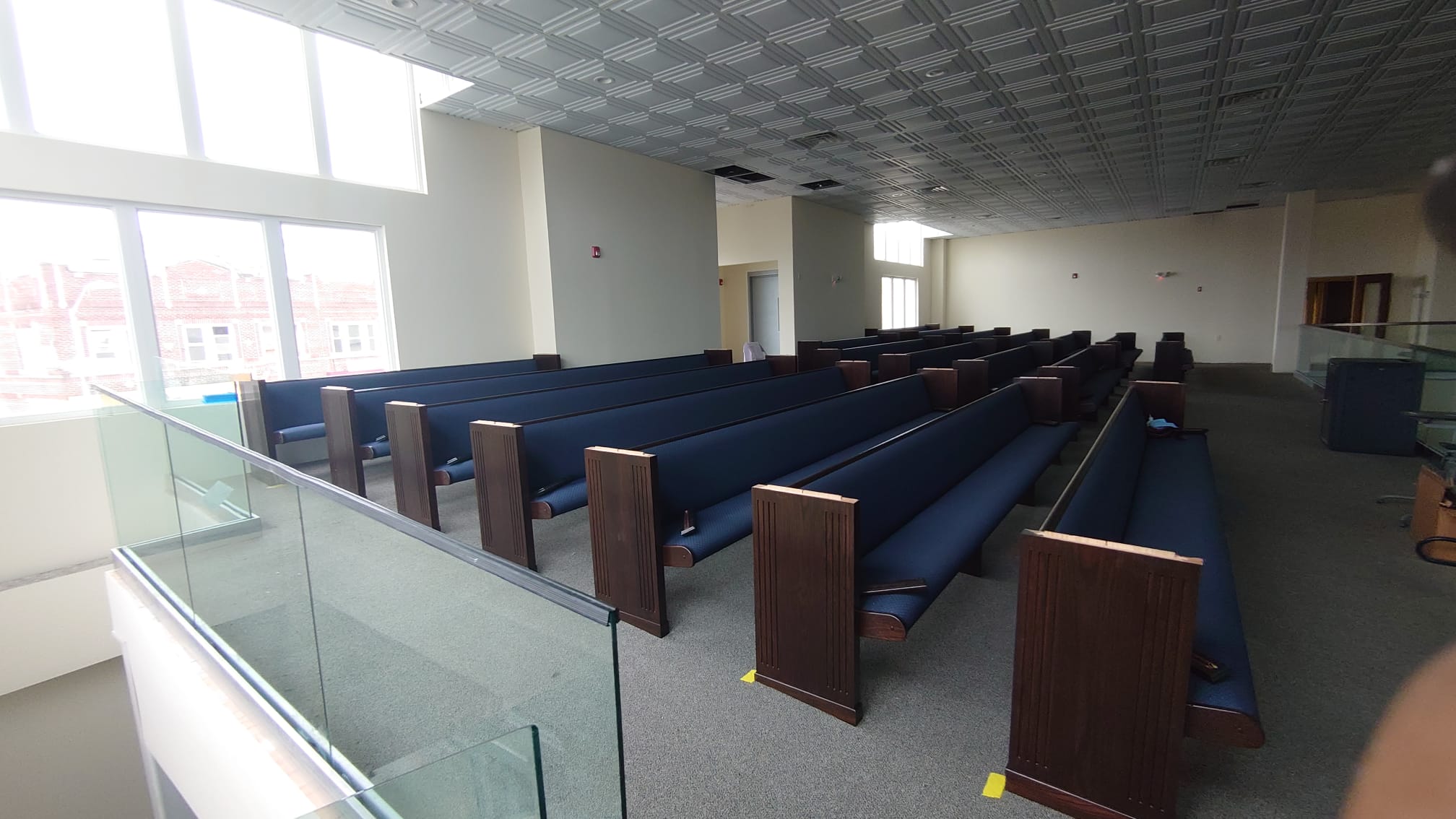
Structural wear is one of the clearest indicators. Cracked frames, loose joints, or fatigued supports can compromise safety and stability over time; in such cases, replacing pews may be a more reliable solution than refinishing alone. Replacement can also support accessibility goals, such as incorporating wheelchair-accessible pews, improving aisle spacing, or integrating ADA-compliant church furniture where layout constraints exist.
Comfort is another consideration. Newer ergonomic worship seating offers better support, improved seat depth, increased back pitch, upgraded cushioning, and thoughtful features such as Increased spacing between rows. When comfort feedback becomes consistent, replacing pews can enhance the worship experience without requiring a complete shift away from traditional seating designs.
Refinish vs Replace Church Pews and Comparing Cost and Value of Both
The refinish vs replace church pews decision should weigh short-term savings against long-term benefits. Refinishing costs may be less upfront and preserve existing materials, especially when solid hardwood chairs or pews are involved. However, refinishing does not change layout, spacing, or core functionality.
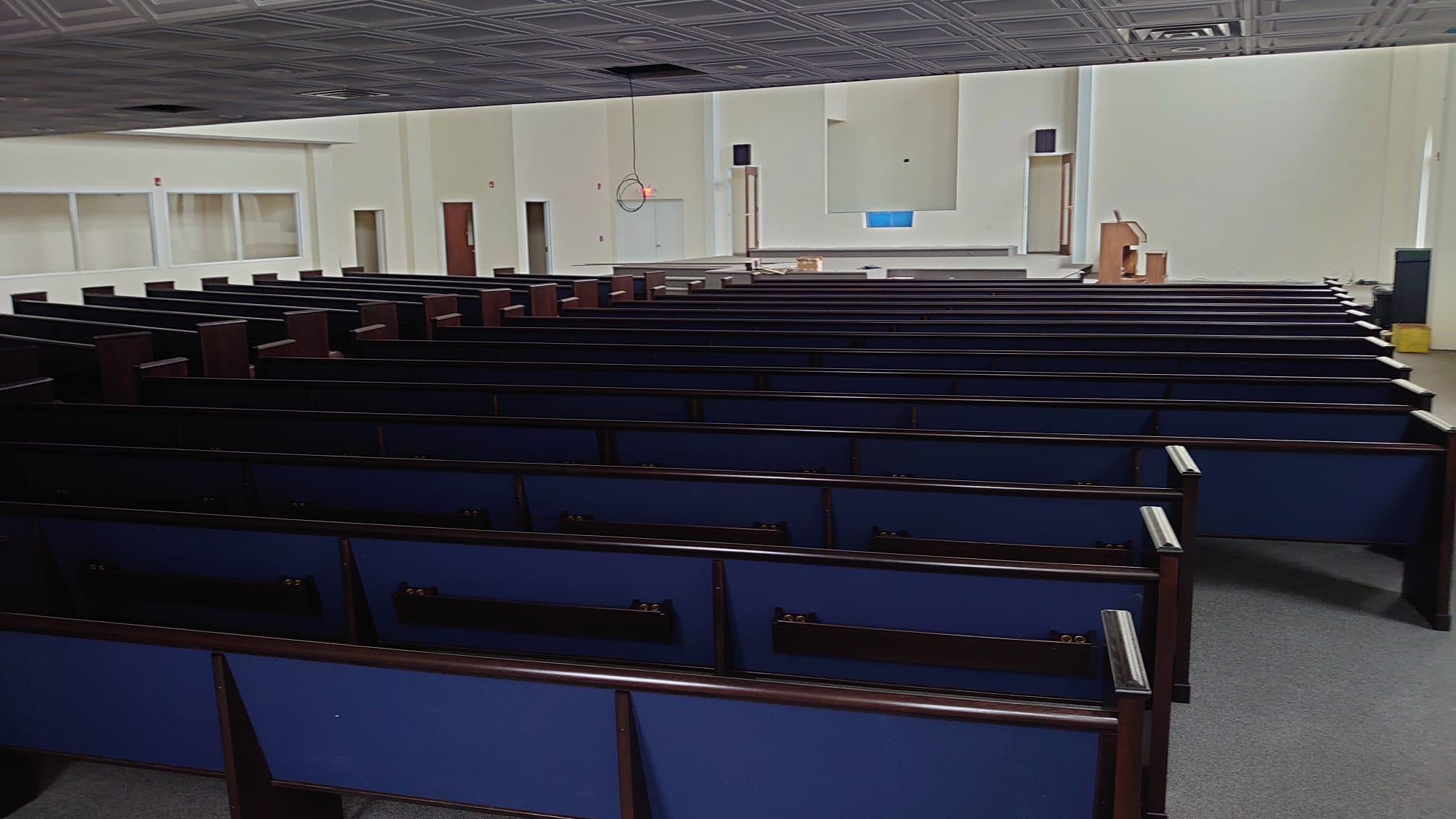
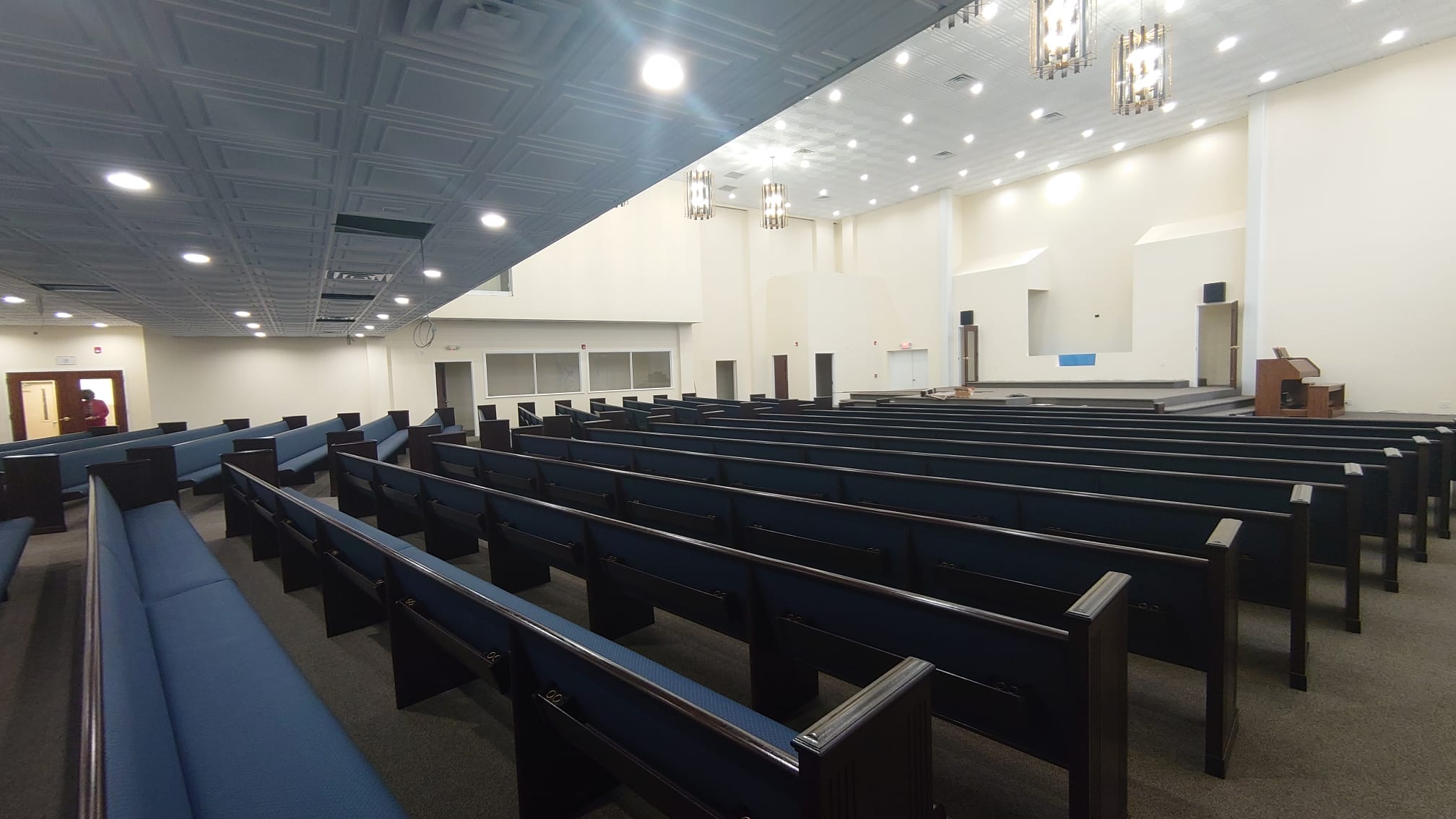
Replacing pews requires a larger initial investment, reflecting the actual cost of church pews, but it allows for comprehensive upgrades. New seating can integrate space-saving design, improved durability, and warranty coverage that protects budgets over time.
In many sanctuary renovation ideas, a hybrid approach is also used. Some pews are refinished, while others are replaced with benches, stackable chairs, or theater seating in overflow or multipurpose areas. This strategy balances tradition with adaptability.
Modern Worship Trends Driving Replacement Decisions
Across the country, worship spaces are evolving. Flexible seating and modular church furniture support multiple service formats, community events, and educational programs. Chairs, benches, and movable seating allow sanctuaries to transform quickly without sacrificing reverence.
Ergonomic worship seating improves comfort for longer services, while modern church furniture supports clean lines and updated aesthetics. Accessibility considerations, including wheelchair-accessible pews and wider aisles, are no longer optional but essential.
These trends apply across faith traditions. From church furniture in Texas to synagogue seating in New York, congregations are rethinking how seating supports worship, inclusivity, and community engagement. Whether you need church furniture in Texas or synagogue seating in New York, planning for flexibility and accessibility remains a shared priority.
Planning, Installation, and Long-Term Care
Successful projects begin with worship space planning. Understanding traffic flow, seating capacity, sightlines, and accessibility requirements helps determine whether refinishing or replacement aligns best with long-term goals.
Church furniture installation plays a critical role in outcomes. Proper installation ensures safety, code compliance, and durability. Maintenance planning is equally important. Pew maintenance services, periodic inspections, and material-specific care protect both refinished and newly installed seating.
Many projects also expand beyond pews. Chancel furniture, choir and clergy chairs, communion tables, pulpits, lecterns, bimah furniture, Torah arks, Aron Kodesh, kneelers, baptistries, and synagogue mechitza elements often coordinate with seating upgrades to create a cohesive design.
How Do I Make the Right Choice for My Worship Space?
Refinishing church pews honors craftsmanship and history when structure and layout still serve the congregation well. Replacing church pews supports growth, accessibility, and flexibility when the original design has outlived its usefulness.
Both paths can be effective when guided by condition assessments, cost considerations, and future ministry goals. What matters most is choosing seating that supports worship comfortably, safely, and inclusively while reflecting the space’s character.
When it is time to refinish church pews or replace church pews, having an experienced partner makes all the difference. New Holland Church Furniture provides design assistance, worship space planning, church furniture installation, and long-term maintenance services, all backed by American craftsmanship. Explore options, review case studies, and start a conversation about seating solutions that respect tradition while preparing your sanctuary for the future.